
Shropshire Wholesale Meat Co
Successful Implementation of Net-Zero Carbon Strategy and Sustainable Solution Projects
Shropshire Wholesale Meat Co. Limited is a private limited company operating in Shrewsbury, Shropshire. Founded in 1969, the company has over five decades of experience in the meat processing industry and specialises in the manufacture of prepared pet foods. Meat by-products are collected from slaughterhouses and processed into pet food and animal feed, ensuring industry standards for quality and safety are upheld at all times. Through its long-standing presence and specialised production, Shropshire Wholesale Meat Co. Limited has built a reputation as a strong and reliable manufacturer in the pet food and meat processing sector.
Shropshire Wholesale Meat Co begun actively tracking their Scope 1, 2 and 3 emissions in 2019. The first full year of data was collected in 2020, therefore this has been selected as the company’s base year. The table below demonstrates a 20% reduction in electrical and gas consumption from 2020 to 2024 as a consequence of the company’s implementation of low carbon technologies and policy.
| Year | Quantity | Carbon tonnes (CO2e) | Electric kWh | Gas kWh | Electricity | Gas | Total |
|---|---|---|---|---|---|---|---|
| 2020 | 2,714,672 | 39,889 | 687.33 | 7.33 | 687.33 | 7.33 | 694.66 |
| 2021 | 2,600,165 | 36,046 | 600.95 | 6.60 | 600.95 | 6.60 | 607.55 |
| 2022 | 2,460,106 | 31,074 | 519.25 | 5.59 | 519.25 | 5.59 | 524.85 |
| 2023 | 2,430,836 | 26,120 | 546.92 | 4.70 | 546.92 | 4.70 | 551.63 |
| 2024 | 2,451,934 | 24,159 | 552.54 | 4.42 | 552.54 | 4.42 | 556.96 |
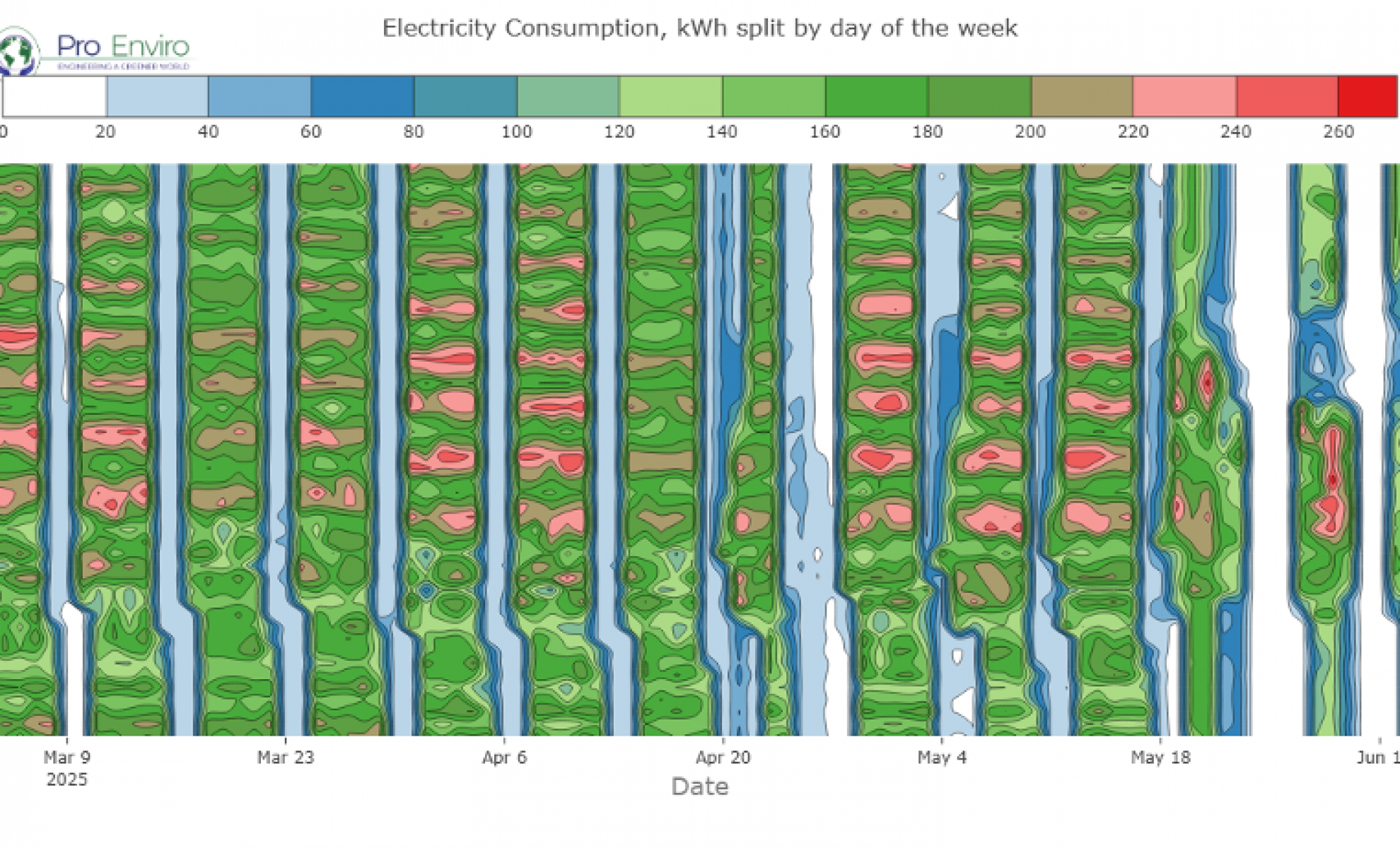
Pro Enviro and Shropshire Wholesale Meat have worked together to develop a range of net-zero and renewable energy projects as part of its long-term sustainability strategy aiming to reduce greenhouse gas emissions. The project began with baseline monitoring and a macro level energy analysis, including a half hourly data analysis. The data has been mapped through multiple graphs and charts, especially the three-dimensional consumption graphs called Envirotracks. A sample of the data has been shown below, it shows Shropshire Wholesale Meat’s electrical consumption per half hour of the day for one quarter of the year. This data can be utilised to assess baseload capacity, unproductive load and average electrical demand.
In conjunction with the energy data analysis, an energy assessment of the site was undertaken to pinpoint precise inefficiencies within the site’s operation. From this site review, a net zero plan was formulated to outline a comprehensive timeline of energy-related changes that can be conducted to reduce carbon emissions.
One identified improvement was the implementation of an energy efficient lighting system throughout the site, these lights are controlled by motion sensors and timers to reduce non-productive energy consumption. A sub-metering system was installed to accurately track and record half hourly energy consumption of energy intensive items of equipment. This data was utilised in conjunction with staff awareness and educational programmes to ensure machinery is being operated in the most efficient manner.
Cold storage facilities are essential to safe and compliant operations, the business’ has begun investing into rebuilding the facilities to include a higher degree of insulation. The company have also switched their refrigerants, phasing out the highly pollutant R442D and R407F refrigerants for more favourable alternatives.
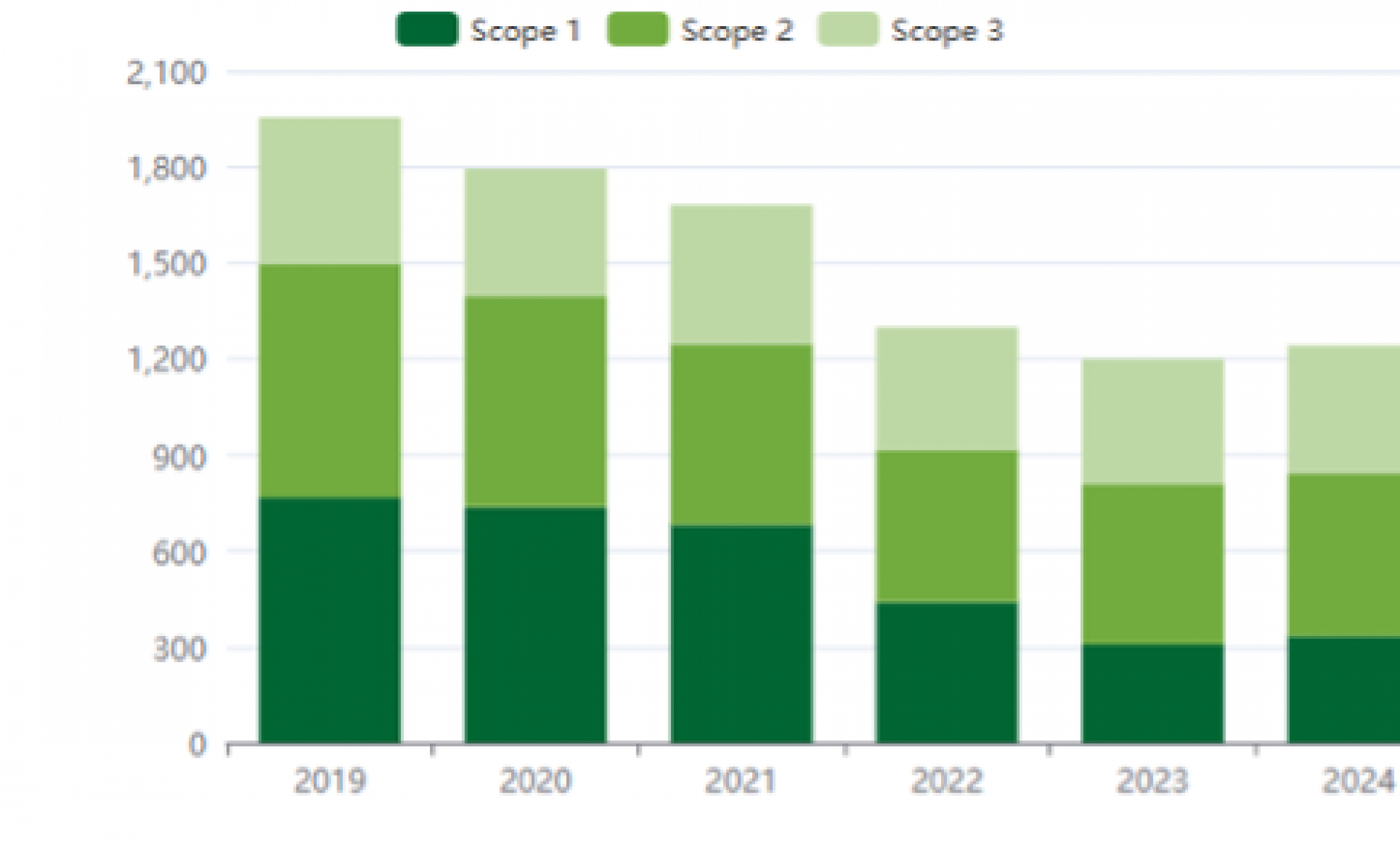
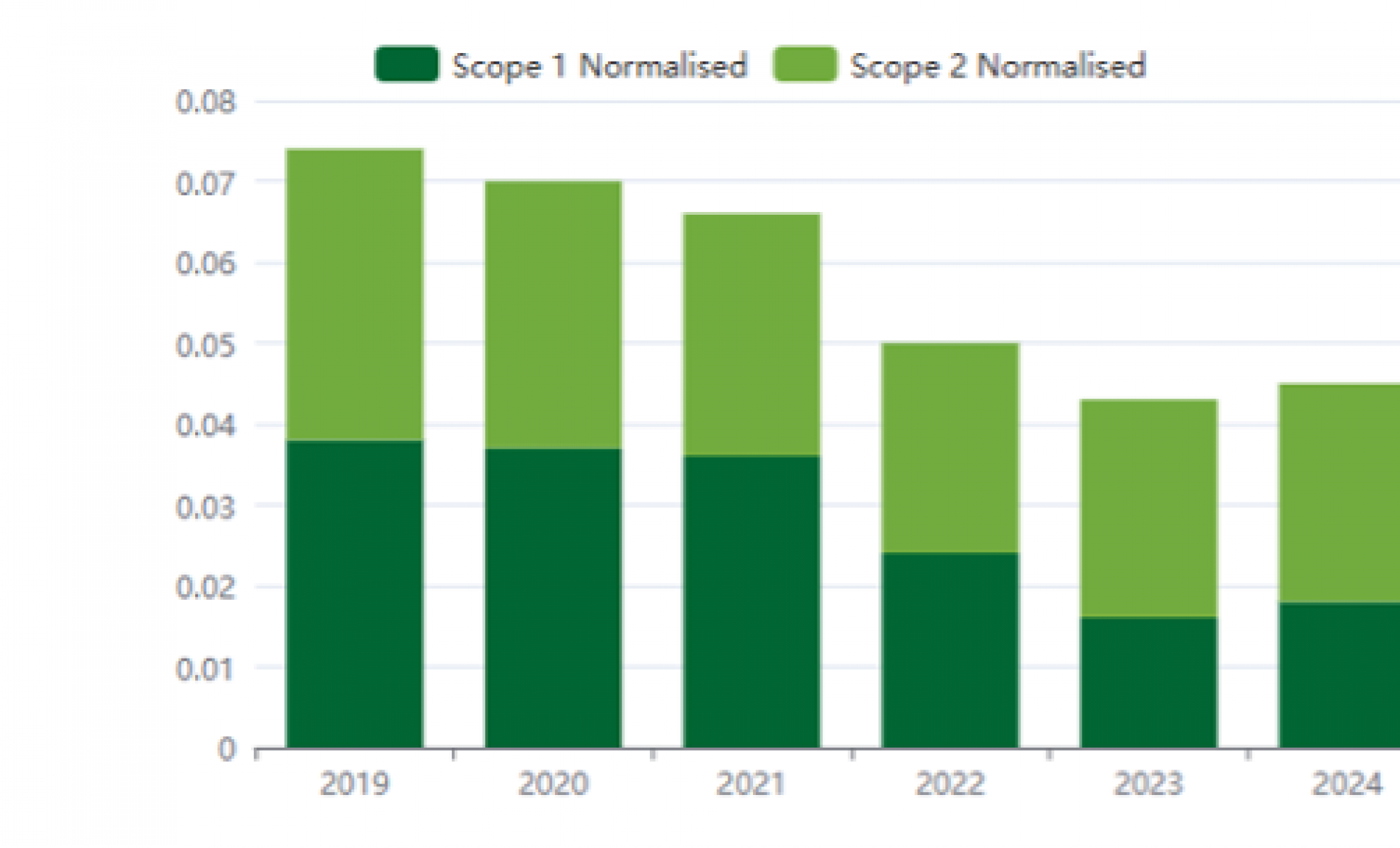
Looking ahead, Shropshire Wholesale Meat Co. plans to continue progressing towards its net-zero carbon targets by implementing further renewable energy solutions. One of the next key steps in this strategy is the installation of a solar photovoltaic (PV) array, which will allow the company to generate renewable electricity on-site. This project is expected to further reduce reliance on grid electricity, lower carbon emissions, and support the company’s long-term goal of creating a more sustainable and energy efficient operation.