
Companies in a cluster can cut energy costs faster than those acting alone
That was the clear message from last week’s Worcester Industrial Clusters Decarbonisation Conference at the Guildhall.
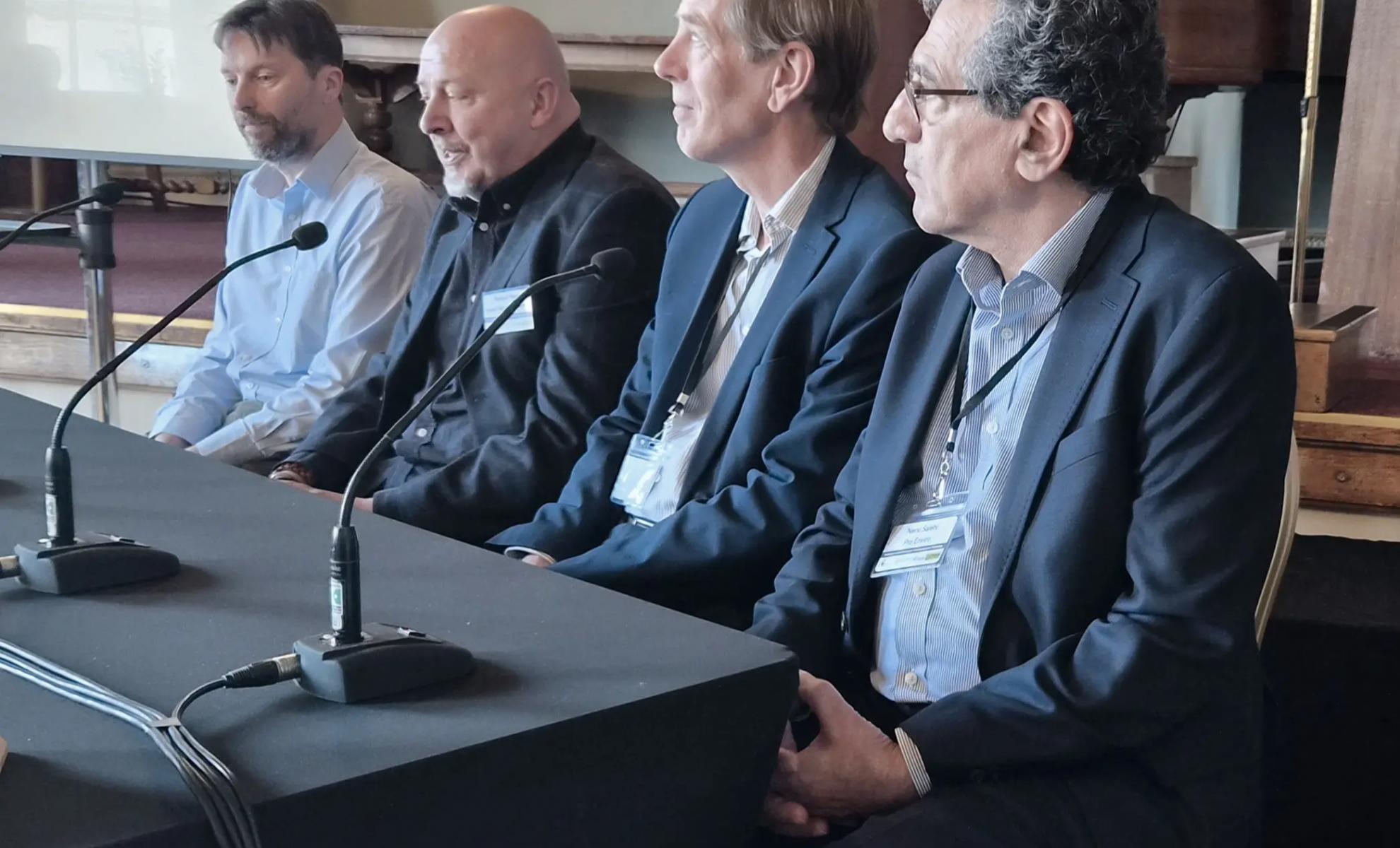
Pro Enviro led the study, commissioned by Worcester city council, mapping energy use across three of the city’s main industrial estates. Together, these sites consume around 140 GWh of energy every year - equivalent to powering 51,000 UK homes.
This concentration of energy‑intensive businesses creates a huge opportunity. By acting collectively, estates can reduce consumption, shrink carbon footprints, and unlock major cost savings.
One example: four warehouses on the Business Park could jointly invest in a shared solar installation capable of generating 10 GWh a year - around one‑third of the Park’s electricity demand - with potential savings of £1.9M annually.
And solar is just the start. The study identified further opportunities including wind power, smart energy monitoring, heating controls, hydrotreated vegetable oil, and even anaerobic digestion.
Managing Director Nersi Salehi, who wrote the report of the Study’s findings says:

“Where energy demand is concentrated, as on these estates, place-based technical solutions make a lot of sense. A collaborative approach by the businesses involved has the potential to reduce duplication of effort while sharing implementation costs and risks.
Throughy the BEAS programme, £100,000 in grant funding was available to the participants of the study, which could be spent with the businesses to encourage them to take action. This was a very useful incentive and ought to be considered in future cluster-based decarbonisation schemes as well”.